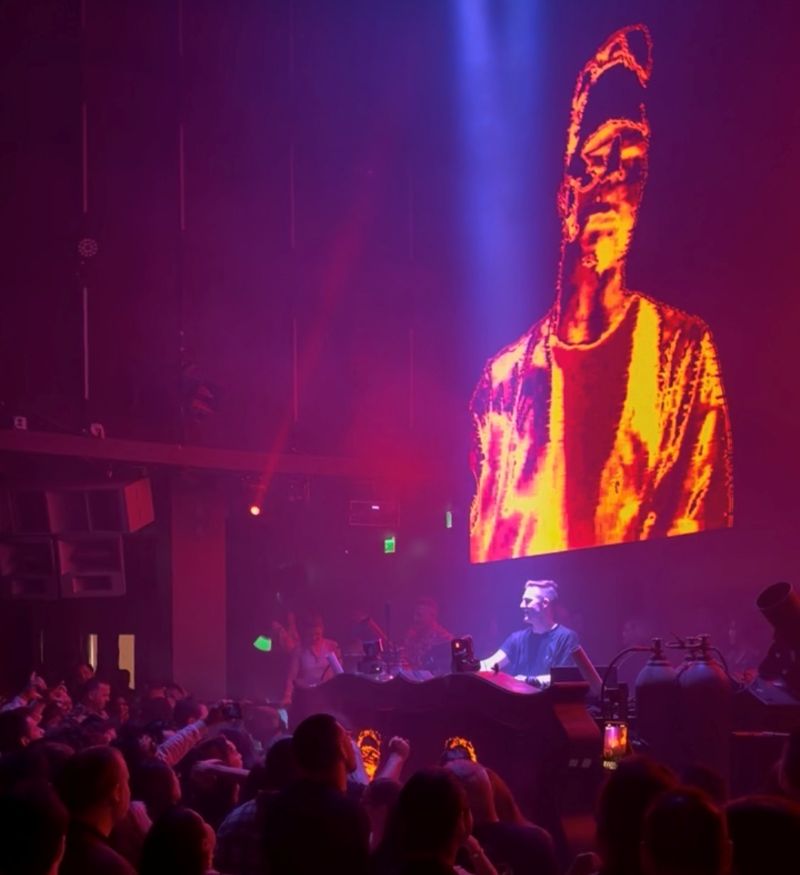


Time Nightclub & Insomniac: A Legacy of Dance Music Culture

Time Nightclub and Insomniac: A Legacy of Dance Music Culture
In the landscape of American nightlife and electronic dance music, few partnerships have proven as influential as the relationship between premier nightclub venues and Insomniac Events, the production company that has redefined what it means to experience dance music culture in the United States.
The Rise of Insomniac
Founded in 1993 by Pasadena native Pasquale Rotella, Insomniac Events began as a small-scale rave promotion company operating in Southern California’s underground party scene. What started with gatherings of a few hundred attendees in warehouses has evolved into North America’s leading dance music and experience company, producing some of the world’s most celebrated electronic music festivals and club events.
Insomniac’s philosophy centers on creating immersive experiences that go beyond simply booking DJs and opening doors. The company pioneered the concept of transforming venues into multisensory environments, incorporating elaborate stage designs, cutting-edge lighting technology, theatrical performers, and interactive art installations. This approach elevated the standard for what fans could expect from a night out, turning each event into a memorable experience rather than just another club night.
The Nightclub Partnership Model
While Insomniac is perhaps best known for massive festivals like Electric Daisy Carnival (EDC), Nocturnal Wonderland, and Beyond Wonderland, the company has maintained a strong presence in the nightclub scene through strategic partnerships and residencies at premier venues across the country. These collaborations have allowed Insomniac to bring its signature production quality and artist curation to more intimate settings, creating a bridge between the festival experience and weekly club culture.
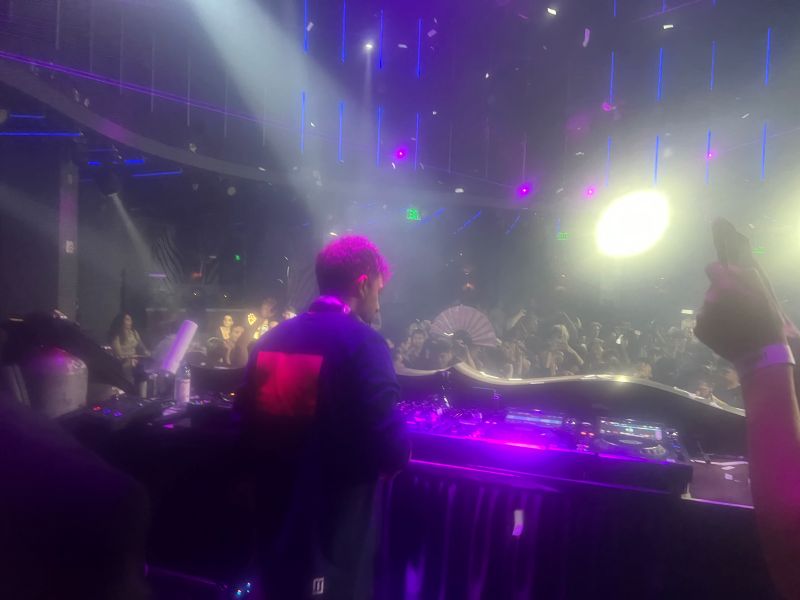
The typical Insomniac nightclub partnership involves the company taking over programming responsibilities for specific nights or ongoing residencies, bringing in internationally renowned DJs and implementing enhanced production elements that distinguish these events from standard club nights. This model has proven successful in cities with strong dance music communities, offering fans access to world-class talent in venues that hold hundreds or a few thousand people rather than the tens of thousands that attend major festivals.
Impact on Dance Music Culture
The influence of Insomniac’s approach to nightclub events extends far beyond attendance numbers. The company has been instrumental in professionalizing the electronic music industry in North America, establishing standards for safety, production quality, and artist treatment that have raised the bar across the industry.
Insomniac’s emphasis on creating welcoming, inclusive environments has also helped shift the perception of electronic dance music culture. The company’s “All Are Welcome Here” ethos and focus on positive experiences have challenged outdated stereotypes about rave culture, helping electronic music gain mainstream acceptance while maintaining its countercultural roots.
For emerging artists, Insomniac’s club events and larger festivals provide crucial exposure opportunities. The company’s discovery program actively seeks out and showcases up-and-coming talent, giving new producers and DJs platforms to reach wider audiences. Many artists who started playing smaller Insomniac club events have gone on to headline major festival stages, demonstrating the company’s role as a kingmaker in the industry.
The Festival-to-Club Pipeline
One of Insomniac’s innovations has been creating a seamless connection between its festival properties and club events. Fans who attend EDC or other major festivals throughout the year can experience similar production values and booking quality at club events in their home cities. This consistency has helped build brand loyalty and created a year-round community rather than a seasonal one.
The club environment also allows for different kinds of artistic expression. While festivals necessitate high-energy, crowd-pleasing sets, club nights can accommodate more experimental sounds, extended DJ sets that build and evolve over hours, and intimate connections between artists and audiences that aren’t possible in massive festival settings.
Challenges and Evolution
The nightclub and events industry faces ongoing challenges, from changing music consumption habits to regulatory pressures and, more recently, the impacts of global events on large gatherings. Insomniac has demonstrated adaptability, exploring virtual events, drive-in concerts, and other innovative formats while working toward the return of traditional experiences.
The company has also grappled with the typical challenges that come with rapid growth and mainstream success—balancing commercial viability with underground credibility, managing safety at large-scale events, and navigating the complex regulatory environment surrounding nightlife venues.
The Cultural Significance
Beyond business metrics, the partnership between production companies like Insomniac and nightclub venues represents something larger: the maturation of electronic dance music as a legitimate cultural force in America. What was once dismissed as a fringe youth movement has become a multi-billion dollar industry that influences mainstream music, fashion, and visual arts.
These clubs and events serve as third places—social environments distinct from home and work where communities form and subcultures thrive. For many attendees, the experience goes beyond entertainment; it’s about finding belonging, expressing identity, and connecting with others through shared musical passion.
Looking Forward
As electronic music continues to evolve and fragment into countless subgenres, and as nightlife adapts to new technological and social realities, the role of established players like Insomniac in shaping club culture remains significant. The company’s ability to maintain its core values while scaling up operations offers a model for how subcultural movements can achieve commercial success without completely losing their essence.
The relationship between production companies and nightclub venues will continue to define how millions experience dance music culture. As long as people seek collective experiences of music, light, and community, spaces dedicated to that pursuit—whether festival grounds or nightclub dance floors—will remain vital cultural institutions, with companies like Insomniac helping to shape what those experiences look and feel like for generations to come.