


Felix Raphael – Feature Interview –
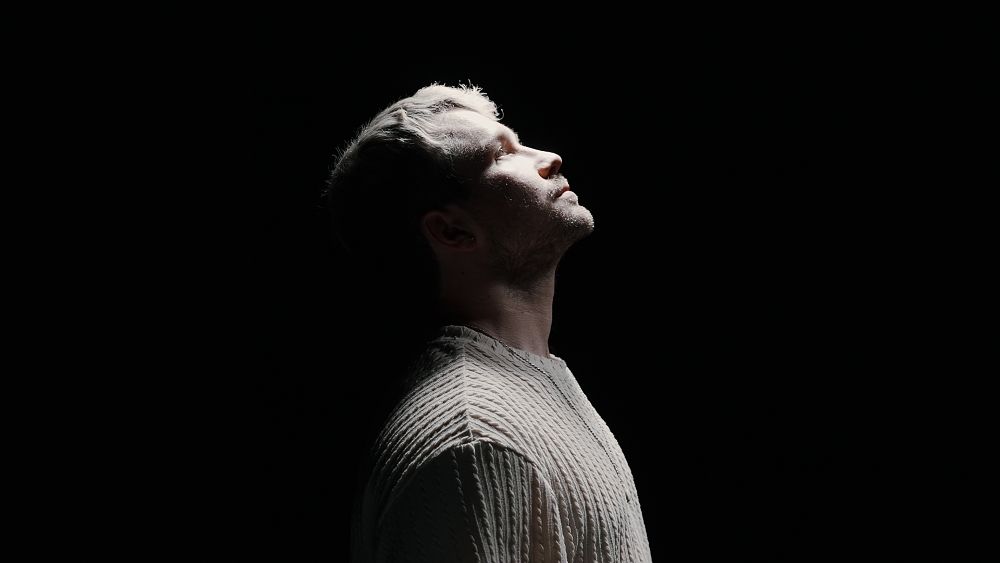
Felix Raphael – Feature Interview – Issue 049 –
Words By Simon Huxtable
Felix’s passion for music was evident from the earliest moments of his life. As a young child, his mother introduced him to singing lessons, sparking his fascination with vocal expression. This early exposure set the stage for a musical journey that would see him explore various instruments and ultimately embrace singing as a vital part of his artistic identity.
Initially hesitant about blending electronic sounds with his musical background, Felix eventually found his unique musical signature in the synergy of electronic beats, organic indie feels and his distinctive voice. His style defies easy categorization, but it can be best described as Melodic House with a pronounced infusion of organic and classical elements.
Above all, melody and harmony remain paramount to him. Collaborations with eminent figures in the music scene such as Ben Boehmer, Oliver Koletzki, Bookashade, and Tinlicker have helped elevate his profile, making his name recognizable. Additionally, Felix started his own label, YION, which is swiftly gaining recognition as a notable Melodic Organic House label in Berlin, which focuses on the crossover side of electronic music with a touch of organic music. Informed by his rich musical background, Felix’s enduring passion for live performances has persisted.
He meticulously crafted a live set and performance, exclusively featuring his original productions accompanied by live singing, electric guitar and spontaneous musical improvisations.
Tackling a huge subject such as mental health is no small undertaking. For German producer and live electronic act, Felix Raphael, such a task has been as much a revelation as an opportunity for catharsis. Across 16 tracks on his second long player, he bares his soul as he explores every facet of tour life. We caught up with Felix to talk about the album, the realities of artists’ lives and music industry taboos.
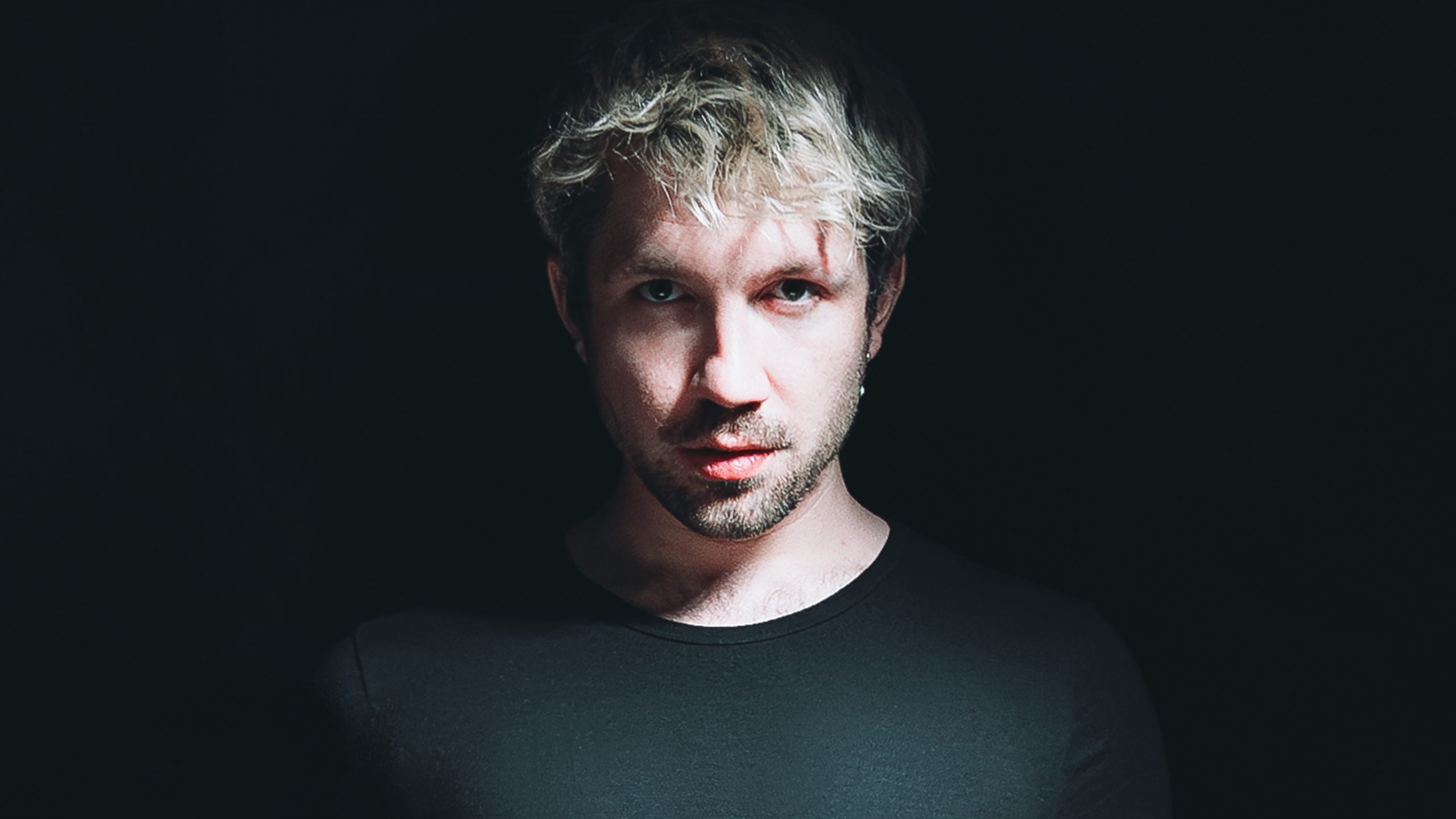
Hi Felix, good to meet you. How are you today?
Hi, great to meet you! And thanks for having me. I’m good, thank you! Excited to talk to you.
Especially with an album and process like this, it‘s great to talk about the insight and share what’s behind the music and the moments.
For those unfamiliar with your work, can you tell us about yourself and your music?
I’m Felix Raphael, a singer, songwriter, producer and live act. My music sits somewhere between melodic house and indie electronica with big influences of organic and classical elements/Instruments such as piano, guitar, brass, strings and of course my vocal.
I kind of started in Berlin’s underground, and those raw dance floor experiences shaped a lot of my perspective on how connecting through music can lift people up, but also give them an intimate concert-like experience. Best of both worlds, in my opinion.
Let’s jump straight into the album, Do You. It’s fair to say it’s a labour of love, that’s for sure. When did you start writing it?
Initially I started working on some instrumentals for“Do You” about two years back. At first, it was not clear if it was gonna be an album and the story was definitely shaped throughout the process.
It definitely wasn’t one smooth ride at first – life and touring kept getting in the way, so there were breaks where I barely touched the music. But the last 9 months before finishing it, I was really on; less touring and other influences that were kind of in the way. Also, especially the story and the lyrical part shaped so well that I was definitely in a flow state. Demanding, cause it was so much work on the one hand, and a pretty deep reflection of things on the other.
The album speaks to the mental health of touring artists. Could you talk about a difficult time in your tour schedule? How did you overcome those bad feelings?
Touring can be surreal – one night you’re celebrated, and the next morning you’re in a hotel room far from anyone you know. Especially when you’re in that state where you tour internationally but do not have a team for support.
There was a moment some time ago after a show when I began to feel isolated, doubting if I was truly connecting with anyone. Or if it‘s the thing that I wanna do. Overcoming it meant reaching out (to myself first), talking honestly with my team, and refusing to pretend I was fine and it‘s just part of the deal when I wasn’t. That sincerity, letting people see you struggle, is the only way to recover and grow. That’s a big, big part of ’Do You’! Still a constant battle, not gonna lie.
Loneliness is a huge concern, not only for artists but for kids today who find social interactions draining. It would be easy to blame the internet, but we all know it’s a larger problem. How would we begin to identify the issue in order to prescribe good solutions?
Loneliness is complicated and global, I think. It isn’t just about being alone, but about not feeling understood. Kids and Artists (People) alike struggle with social fatigue sometimes because our tools encourage quantity over quality – more likes, more messages, less depth. The first step is admitting it’s normal to feel drained, then starting real conversations, ideally offline. Solutions need to be human, more and more in a fast living society, we should teach emotional literacy from an early age, not just focus on tech fixes.
Who do you lean on the most for support?
I lean heavily on my family and close friends. My manager and crew on the road are lifelines. Having people who see past the performance, who want to know how I am instead of seeing stats on Spotify. Honestly, sometimes just stepping outside and moving my body – I love to play table tennis. Great way for mental and physical traction.
Also, long calls with my best friend (normally I don‘t like calls :D). It‘s funny, because we didn´t like each other at the beginning when we first met at university, but this friendship grew into something I couldn’t be more grateful for. Sometimes it takes time. That keeps me from screaming! Trying to find small rituals that ground or help more than any big fix.
Backstage at an event can appear to be a glamorous place, but on closer examination, there is a dark side. How do you protect yourself when the demons come calling?
For me, backstage isn’t glamorous at all. It‘s a place of preparation and getting along with stress and anxiety. I tend to find a quiet spot, even if it’s a stairwell or alley behind the venue, tune my guitar for the 5th time and try to remind myself why I started making music, trying to tell myself that a show should always be for myself as well: to express, not impress.
If I’m in trouble, I’ll try to text someone I trust. Boundaries are vital, so if there is too much going on backstage, I say something; saying no is a skill I had to work on. In private, I like being backstage sometimes, though. You can meet interesting people there!
We should pivot to something less heavy! The album features some incredibly personal tracks. Do you have any favourites? What sets them apart?
It‘s tough to say because all 16 tracks kind of stick to each other and are important for the whole thing. But for me, the most engaging tracks are the ones I write about close people around me.
Using their example or situation to describe the theme talked about in the track. And that‘s basically the whole last phase of the album. Patience, Resilience, 911´s, and Zuhause. The Resources. I think they kind of catch me the most, as it‘s a different perspective, and I’m very proud of them. I think you can imagine how it was to show it to others for the first time. I could talk for hours here.
There will be an ‘Ask me Anything‘ on Reddit just after the album release. If you guys have more questions, I would love to hear from you.
You recently posted a reel where you say: “There are shows you play FOR people, and shows you play WITH people.” Can you expand on that? Do you crave the roar of the crowds?
I tend to overwhelm myself (on stage). There are shows where you are not so confident of the crowd, I kind of hide behind my instruments, and you have the feeling that the crowd is waiting to be entertained (doesn’t mean it is that way), especially if there is not a lot of, let‘s call it ‘vibe‘, and I do my best to deliver.
But magic happens when it’s not just my energy fueling the room; when the audience gives back passion and attention, it feels like a collaboration, not a performance. Those are nights I live for – I don’t necessarily crave the roar (even tho I like it, not gonna lie), but crave the energy exchange. I am working on that in my rehearsals as well. To stay more relaxed and interact with the audience more. That definitely comes with time. It‘s a huge part of a live performance, next to the musical one.
I know we’ve really only scratched the surface here. I’m sure we could talk for hours. But let’s wrap up with your thoughts on musicians’ mental health, systems in place for you and what you want to come from this album.
Mental health should be talked about openly, publicly and not in whispers. There are systems – therapy, support networks, industry initiatives – but it’s often still taboo to say you’re struggling. Who wants to hear a sad story from your favourite entertainer?! With “Do You,” I hope more listeners and fellow artists (people) feel empowered to share their experiences. I want this album to be a conversation starter about how we can look after each other, both on and especially off the stage.
If there’s one thing to unleash – let’s keep making spaces where people can be real, both online and in person. That’s where recovery and creativity truly begin. One thing at the end: I struggle daily. I have problems including the things I know are good for me. I sometimes do things I know are bad for me. I overwhelm myself, fall back and start again.
This album didn´t heal me; it‘s a process, and it‘s ongoing. At the moment, I am searching for another place in therapy because the last one was not for me. So don‘t overwhelm yourself with change. Don‘t hate yourself when you fail. Try again, it takes time. Don‘t always look at the things that are not going super well.
Do what makes you happy!
————————————————————————————————————————————–