

Feature Interview – Karen Seafield –

Feature Interview – Karen Seafield – Issue 051 –
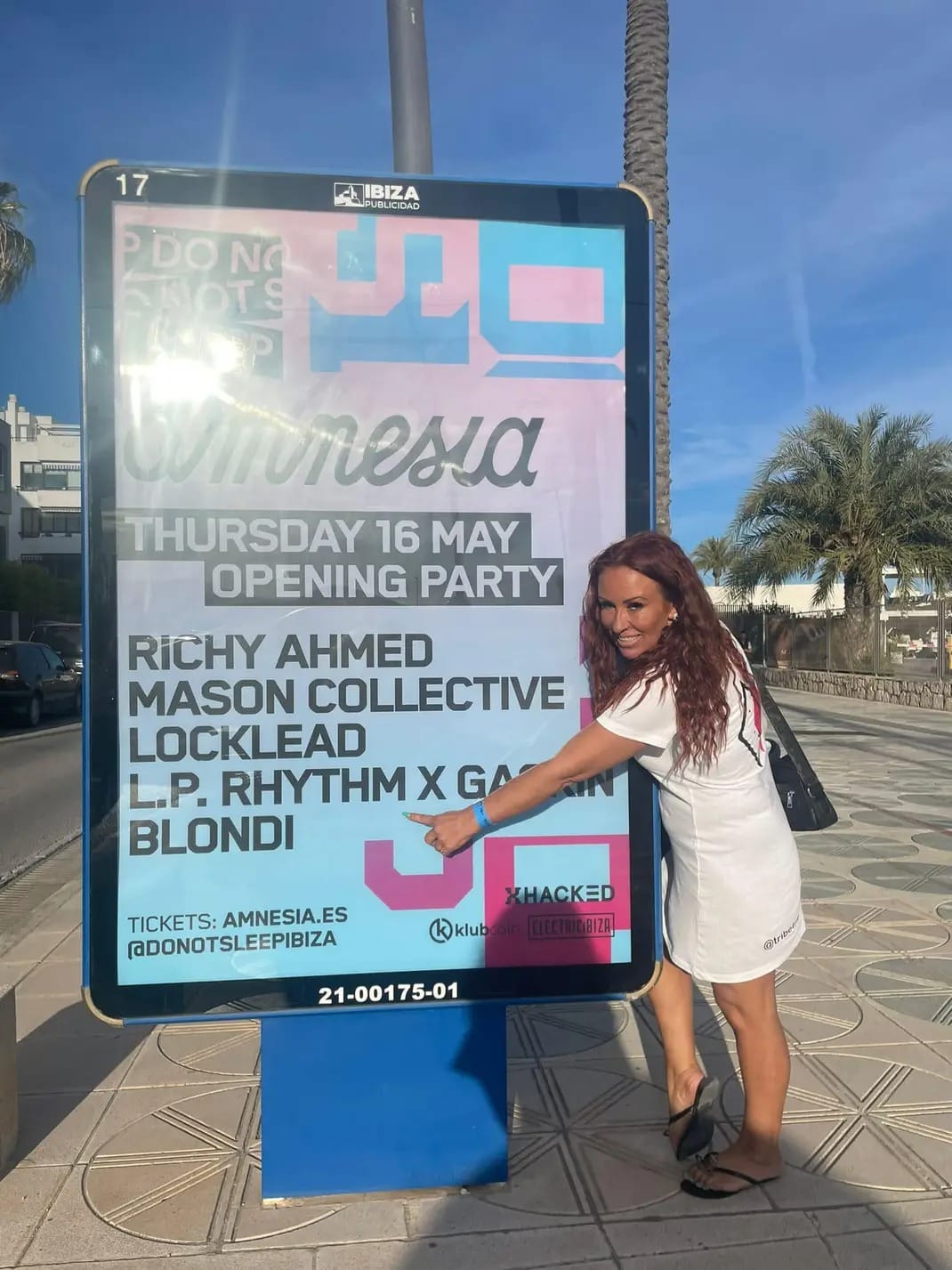
Karen Seafield is a Senior nightlife, PR, and events professional with nearly 30 years’ experience across clubs, festivals, artist promotion, and large-scale live events. Two recent seasons working in Ibiza across promotions, guest list management, VIP services, ticket sales, concierge, and social media. Founder of Kiki Events Ibiza and Co-Owner of Ibiza Pulse Radio, with a proven ability to drive footfall, increase ticket sales, manage promoters, and support artists and high-level guests.
Words By Sheriyar Asad

Tell me about your background in event management. What types of events have you planned and executed?
I began working in events at 18 through a modelling and entertainment agency, and that opportunity naturally led me into live events. Nearly 30 years later, I’ve worked across almost every type of event imaginable. From music festivals, club nights, fashion shows, and brand launches, to boxing events, sportsmen’s dinners, wedding exhibitions, psychic and wellness events, and charity fundraisers — there isn’t much in the events space I haven’t been involved in. Early connections, like meeting Judge Jules and his wife fashion journalist Amanda O’Riordan backstage at Dublin’s Temple Theatre nightclub in the early 2000’s helped me build relationships that remain important today. Amanda also really helped me with promotion of my own Ibiza swim brand too that I built during COVID .
Tell me a bit about your experience in the event planning process
I have almost 3 decades of experience and manage the full end-to-end event life cycle: concept, feasibility, budgeting, licensing, artist booking, venue sourcing, marketing, supplier negotiation, staffing, delivery, and post-event evaluation. Working with talented teams across hospitality and live events has taught me to balance creativity with commercial reality while remaining calm and solutions-focused under pressure.
What has been the most successful or memorable event you have managed, and what made it stand out?
Radio 1’s Big Weekend in Sunderland stands out as a genuine legacy project. I saw a need for a large-scale dance festival in my hometown, approached the council, secured the land, and spent 18 months planning with two business partners. The festival attracted around 30,000 attendees over two days, received national media coverage, and was delivered safely and successfully. Decades later, festivals continue to take place on that same site, which is hugely rewarding to see and also Radio 1 are coming back to the city this year to do their 2nd event !
How many events do you typically manage per year, and how do you handle overlapping timelines?
At peak, I’ve managed up to 400 events annually. I rely on organisation, prioritisation, and strong teams. If timelines overlap, I either adjust dates to focus fully or manage them simultaneously through trusted suppliers and team members.
Talk to us about Budget & Resource Management
Budget management is one of my strongest skills. My early experience working multiple jobs as a single parent taught discipline, while my roles as an area manager for blue-chip companies strengthened my forecasting and negotiation skills. With careful planning and clear priorities, staying on budget is entirely achievable.
Is it difficult to stay under a budget to create an event budget?
Not with the right planning. Budgeting is about prioritizing what matters most to the client and audience, forecasting realistically, and negotiating effectively with suppliers. Discipline and experience make it manageable.
Tell me about a time when you had to deliver a high-impact event on a very limited budget — what did you prioritize, and what did you cut?
For a wellness and music pop-up event, the budget was tight. I prioritize artist fees, sound quality, and venue safety, while scaling back on decorative elements and non-essential extras. The event still delivered an engaging experience and received excellent feedback.
Describe a situation where an event almost went over budget — how did you handle it?
During a fashion launch, unexpected last-minute production costs threatened the budget. I renegotiated supplier contracts, reallocated funds from less critical areas, and secured sponsorship for additional support. The event launched on budget and exceeded client expectations.
When you select a DJ/artist, what qualities do you aim for — music, performance, market value?
I consider musical ability, stage presence, audience appeal, and alignment with the event’s brand and vibe. Market value is balanced against budget and expected return, but the overall experience for attendees always comes first.
What is your opinion on post-COVID club nights/events?
Audiences are more selective; they expect better sound, safer environments, stronger production, and genuine value. Authentic, well-executed events consistently outperform gimmicks.
In your opinion, what are the top 3 ingredients of a successful club night?
1. A strong, curated musical line-up
2. High-quality production and safety
3. A memorable, immersive experience that resonates with the audience
How do you select and negotiate with vendors?
I evaluate vendors based on reliability, quality, value, and past performance. Negotiations focus on win-win agreements, clear deliverables, and maintaining long-term partnerships.
Describe a time when something went seriously wrong during an event. How did you handle it?
At a summer festival, a key supplier failed to deliver on time. I immediately activated backup vendors, reallocated resources, and communicated transparently with the team and audience. The event continued seamlessly with minimal disruption.
Give an example of managing a large event under a very tight deadline
Radio 1’s Big Weekend involved securing permits, booking artists, and mobilising logistics in record time. By dividing responsibilities among trusted partners and maintaining constant communication, we delivered a successful event without compromising quality.
Describe a time you led a team through a challenging or high-pressure event — what was your leadership approach?
During a high-profile brand launch, technical failures threatened timing. I remained calm, delegated specific problem-solving tasks, and maintained clear communication with the team. The event ran smoothly, and morale remained high due to transparent leadership.
What key information do you ask a client at the beginning to ensure the event aligns with their goals?
I ask about objectives, target audience, desired atmosphere, key messages, budget, and logistical requirements. This ensures the event concept and delivery align fully with the client’s vision.
How do you measure the success of an event?
Success is measured by attendee satisfaction, media coverage, client feedback, safety, and whether objectives were met within budget and timeline. Repeat bookings and long-term partnerships are also key indicators.
What makes a truly great event manager in today’s environment?
Adaptability, creativity, attention to detail, commercial awareness, and the ability to stay calm under pressure. Relationship-building and understanding evolving audience expectations are equally vital.
How do you stay updated with industry trends, sustainability practices, or post-pandemic attendee expectations?
I follow industry publications, attend conferences and trade shows, network with peers, and maintain close relationships with local partners in the UK and Ibiza. Sustainability and attendee safety are now integral to all planning.
Why are you interested in this particular role in our industry?
I’m passionate about creating memorable experiences and bringing ideas to life. This role allows me to leverage decades of experience, deliver high-quality events, and continue shaping innovative, impact experiences in both the UK and Ibiza.